
No. Surveys may be part of the process, but the value is in the interpretation. We look across interviews, survey data, documents, conversations, and organizational patterns to understand what is actually happening.
Organizational Assessment & Analysis
Most organizations are operating on assumptions that haven't been tested in years.
We help leaders see what is actually happening beneath performance metrics, assumptions, and anecdotes — so they can make decisions based on reality.
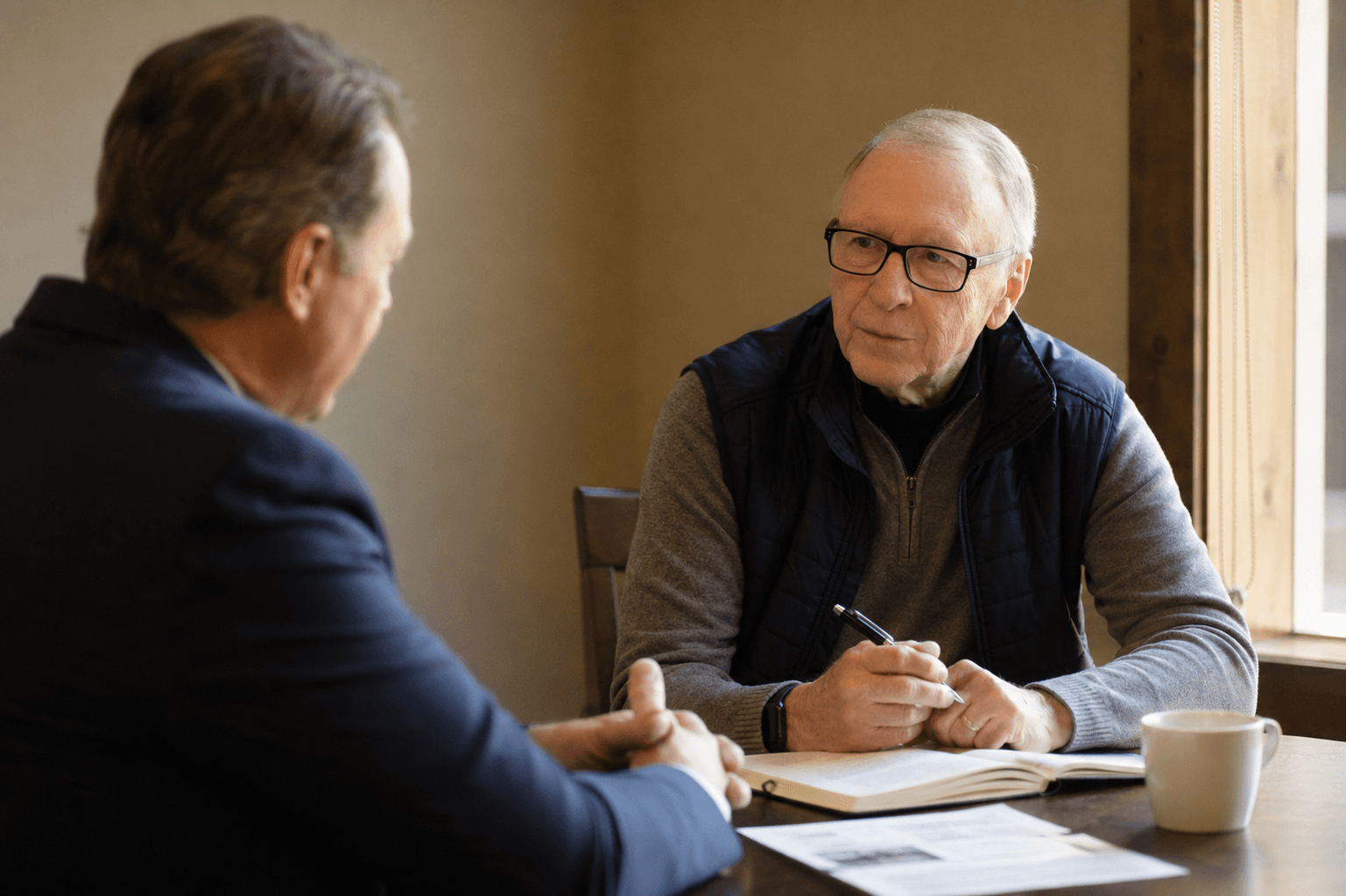
The Reality We See
What leaders see are symptoms. What matters are the conditions creating them.
Most performance problems aren't caused by a lack of effort or intelligence — they're caused by leaders making decisions from incomplete pictures of reality.
Leaders and employees often describe different organizations.
The gap between those perspectives is itself diagnostic.
Culture is usually experienced differently than it is described.
Leadership intent and employee experience are not always the same thing.
Performance problems rarely exist in isolation.
What appears to be a communication issue may actually be a leadership, structure, or accountability issue.
Assumptions become invisible when they go untested.
Assessment makes those assumptions visible before they become more expensive.
Who This Is For
This work is most valuable when leaders know something isn't working but don't yet have a clear picture of why.
Performance has plateaued despite capable people.
Communication breakdowns are becoming more common.
Trust between groups or teams is declining.
Employee engagement concerns continue to surface.
Leadership teams are struggling to align around priorities.
Major change initiatives are producing inconsistent results.
AI adoption is creating uncertainty about readiness and capability.
A new executive needs an honest read before making significant decisions.
How We Work
Not a framework applied to your situation. Your situation examined without a predetermined answer.
01
Compare Perspectives
What leaders believe is happening and what employees experience are often not the same thing. We examine those differences directly.
02
Find the Gaps
The divergence between perspectives often reveals the organizational risks leaders cannot yet see.
03
Understand the Conditions
Performance problems rarely exist in isolation. We identify the conditions creating them.
04
Decide What Matters Most
Not everything needs fixing. We help leaders focus on the few issues most affecting performance.
Why Leaders Trust This
Perhaps more than any of my colleagues, I trust Grant to have a clear knowledge of how things are working now, how they could be working better, and how to make that happen.

Jerry Hogan
Typical Engagements
Organizational Health Assessment
A broad review of culture, leadership, communication, trust, and performance.
Leadership Team Assessment
A focused look at alignment, decision-making, accountability, and collective effectiveness.
Culture & Trust Assessment
An examination of how culture supports or undermines performance.
AI Readiness Assessment
A practical review of leadership capability, workforce readiness, governance, and preparedness for AI adoption.
What Leaders Ask Us
Frequently Asked Questions
Yes. Individual responses are protected. Findings are reported in aggregate so people can participate honestly.
Some organizations implement the recommendations internally. Others continue with support through strategy, leadership development, AI integration, or change initiatives. The assessment is designed to produce clarity either way.
Yes. Some assessments examine the whole organization. Others focus on leadership, culture, communication, trust, change readiness, or AI readiness.
Every engagement is scoped to your organization's size and needs — there's no generic package price. We'll give you clear, specific numbers before anything begins.

Better decisions start with a clearer picture of reality.
The most expensive organizational problems are often the ones leaders cannot yet see.